
Service
Pitched Roof Cost Per Square Metre
Per-square-metre pricing is useful for comparing quotes and dangerous for budgeting — because the parts of a roof that cost the most aren't measured in square metres.
- Rate covers strip, membrane, battens and covering
- Concrete interlocking is the lowest rate
- Plain clay and natural slate carry the highest
- Scaffold is separate and not area-based
- Chimneys, valleys and dormers priced individually
- Always compare specification, not just rate
What a per-m² rate should include
Stripping the old covering, disposal, a breathable membrane, treated battens gauged to the product, the covering itself and its fixings, and the labour to lay it. It should not be assumed to include scaffolding, leadwork, ridge and verge systems, timber repairs or Building Control notification — those are separate lines and they're where quotes really differ.
- ▸Included: strip, disposal, membrane, battens, covering, fixings
- ▸Separate: scaffold, leadwork, timber repairs, dry-fix systems
Why the rate varies so much by covering
It's mostly units per square metre and handling. Large interlocking concrete tiles cover ground quickly with few fixings. Plain clay tiles need many times more units, each one laid and fixed. Natural slate needs holing, sorting and careful laying to a bond. The material price gap is real; the labour gap is bigger.
Where per-m² pricing misleads
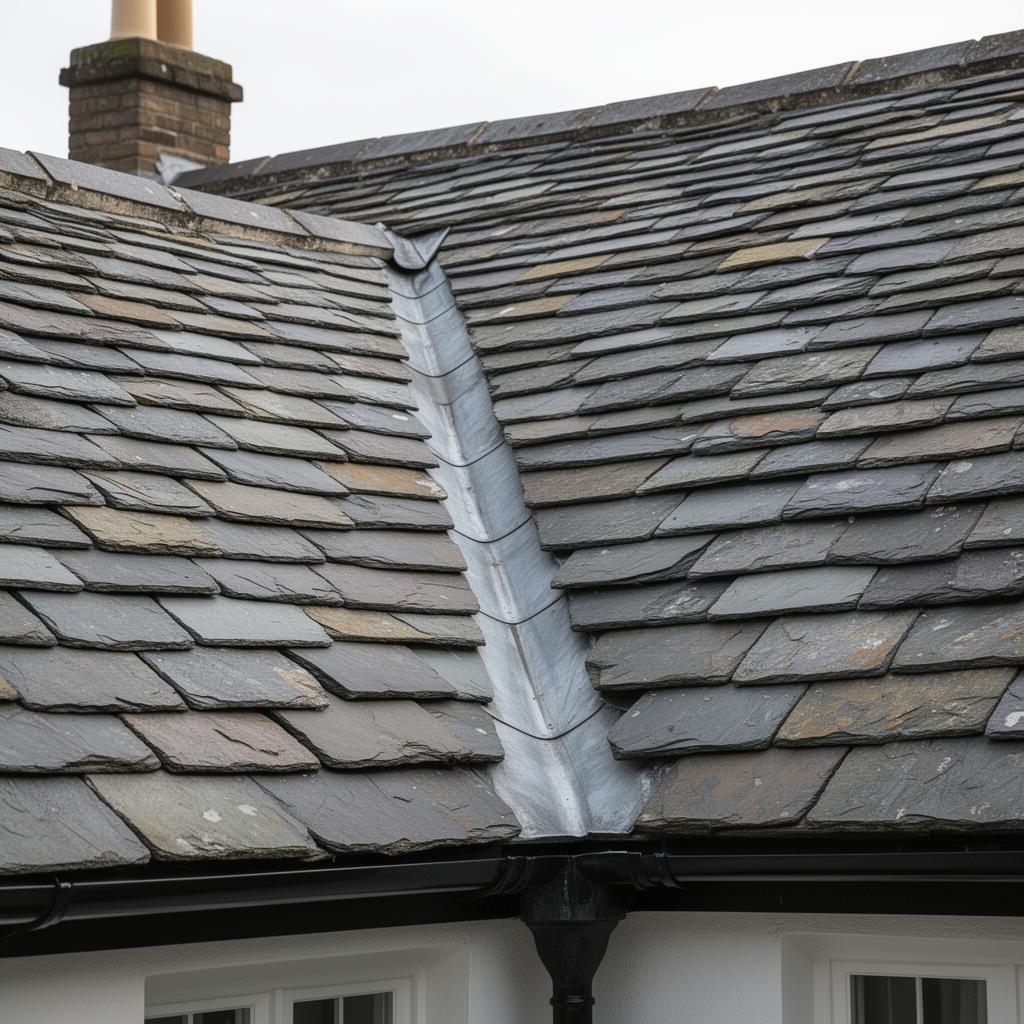
Two roofs of identical area can differ by thousands. One is a simple two-slope rectangle; the other has two chimneys, three valleys, a dormer and a parapet abutment. Every one of those is hand-formed leadwork and detailing that a rate per square metre completely ignores. Use the rate to sanity-check a quote, then read the detail lines.
FAQs
Can you give me a per-m² price over the phone?+
We can give an indicative range, but we won't quote a job from a phone call — the details drive the price and we'd only be guessing.
Is the rate cheaper on a bigger roof?+
Slightly, because setup and scaffold are spread over more area. The difference is smaller than most people expect.
How do I measure my roof area?+
Roughly: footprint area divided by the cosine of the pitch. We measure properly on the survey — rough figures are fine for a first budget.
Related reading
Other pages homeowners usually look at alongside this one.
Need Roofing Work You Can Rely On?
Speak with Butler Bespoke Roofing for honest advice, a free site visit and a clear, written quote anywhere across Buckinghamshire.